
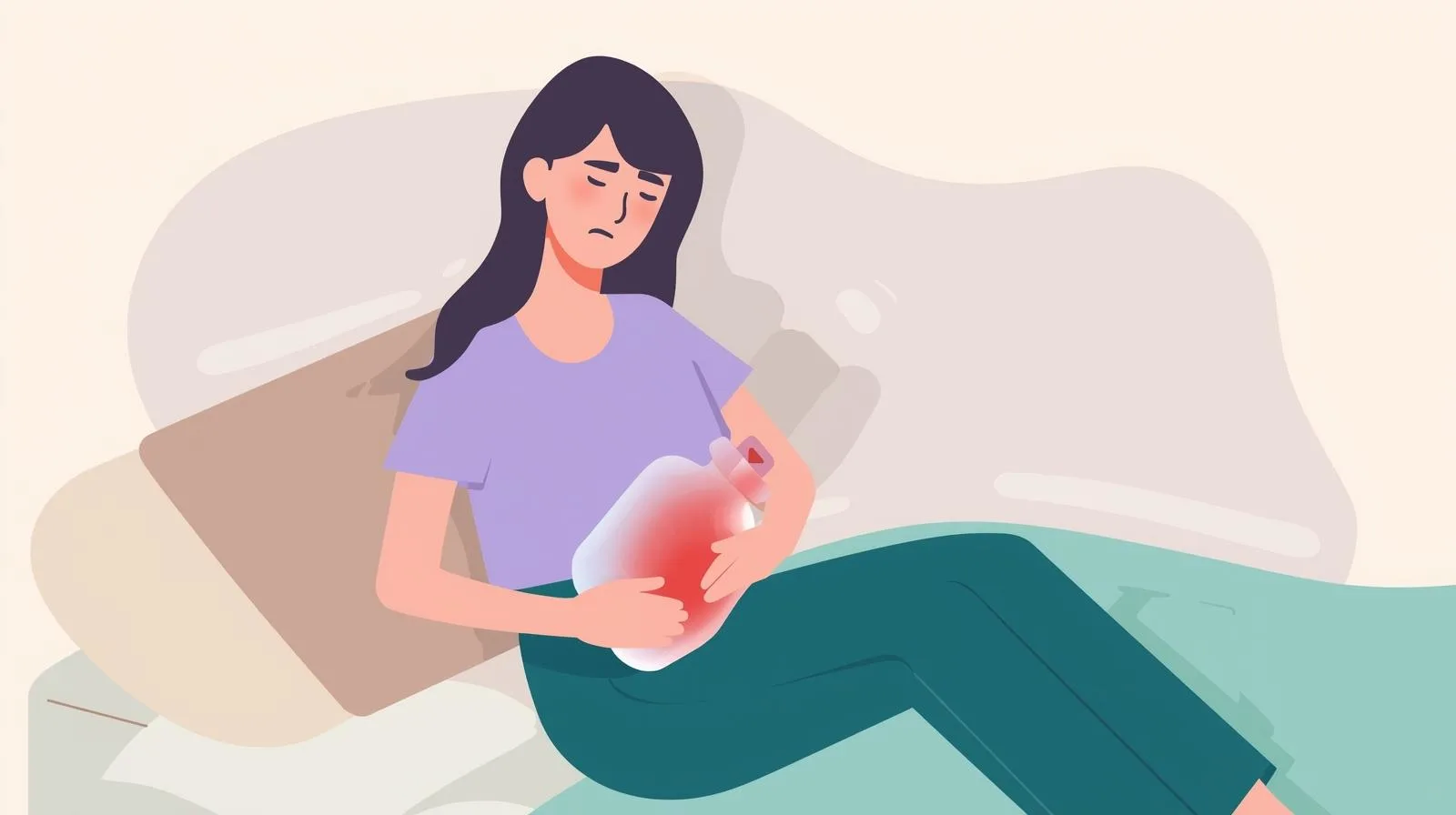
1 Case Study: Leg Pain During Menstruation – Understanding the Hidden Symptom
Leg Pain During Menstruation often comes with its well-known companions cramps, mood swings, and fatigue. Yet for many women, there’s another less-talked-about symptom that creeps in: leg pain. This case study explores why leg discomfort occurs during periods and how it can be managed.

Patient Profile:
- Name: Riya (pseudonym)
- Age: 25
- Symptom: Dull aching pain in thighs and calves during the first two days of menstruation
- Description: Sensation of heaviness and soreness, similar to post-exercise fatigue
- Pattern: Recurrent with every cycle, intensity varies
Riya initially dismissed the pain as unrelated muscle strain, but its predictable appearance during her period suggested a menstrual connection.
The Science Behind It-
Riya’s experience highlights a common but often overlooked phenomenon. The biological explanation lies in the interplay of hormones, nerves, and circulation:
- Prostaglandins in action – These hormone-like substances trigger uterine contractions to shed the lining. Higher levels intensify cramps.
- Nerve irritation – Contractions can stimulate nerves in the lower back, causing pain to radiate down to the legs.
- Circulatory changes – Hormonal fluctuations affect blood vessels, sometimes leading to heaviness or cramping in the legs.
- Muscle involvement – Tension in the pelvis and lower back can extend discomfort into the legs.
In short, the pain doesn’t respect boundaries—it travels beyond the uterus.
Management and Outcome
Riya found relief through a combination of simple lifestyle adjustments and occasional medical support:
- Heat therapy: A heating pad eased cramps and leg discomfort.
- Gentle activity: Stretching and yoga reduced muscle tension.
- Hydration: Drinking water lessened bloating and heaviness.
- Medication: NSAIDs (e.g., ibuprofen, under medical advice) reduced prostaglandin activity.
Her doctor emphasized that while leg pain is common during mentruation, persistent or severe symptoms should not be ignored. Conditions such as endometriosis, sciatica, or vascular issues may mimic menstrual leg pain and require professional evaluation.
Key Insights
- Leg pain during menstruation is a biologically driven symptom, not just “in your head.”
- It stems from a combination of hormonal, neurological, and circulatory changes.
- Self-care strategies often provide relief, but ongoing or severe pain warrants medical attention.
Common Causes:
- Prostaglandins & Cramps – High levels of prostaglandins can make cramps more painful and radiate to the thighs.
- Hormonal Changes – Fluctuations in estrogen and progesterone can affect fluid retention, causing heaviness in the legs.
- Nerve Pressure – The sciatic nerve runs from the lower back through the legs. For some women, menstrual cramps irritate this nerve, leading to sciatica-like pain.
- Endometriosis or PCOS – These conditions may cause more severe cramping, which can extend pain into the legs.
 Frequently Ask Questions:
 Frequently Ask Questions:
Q1: Why do I feel leg pain before my menstruation even starts?
A1: This can be due to PMS (Premenstrual Syndrome). Hormonal changes and water retention can begin before your period, causing leg heaviness or pain.
Q2: Is leg pain during menstruation normal?
A2: Mild leg pain can be normal because of hormonal and nerve involvement. But if the pain is severe or worsening, consult a gynecologist.
Q3: Can period leg pain be related to back pain?
A3: Yes. The same nerves connect your uterus, back, and legs. That’s why cramps often spread to your lower back and thighs.
2 Case Study: Remedies for Leg Pain During Menstruation
Leg pain is an often-overlooked companion of menstruation. For some women, it feels like an uninvited guest that shows up each month, making daily activities more difficult. This case study explores practical, evidence-backed remedies that can help manage this discomfort.
Case Presentation
- Name: Aanya (pseudonym)
- Age: 27
- Concern: Aching legs during the first two days of her period, described as “heaviness and soreness.”
- Impact: Disrupted concentration at work, reduced physical activity, and occasional need for medication.
Aanya sought strategies beyond painkillers to manage her recurring leg pain and improve her overall menstrual comfort.
Remedies Applied
Based on her symptoms, Aanya was guided to incorporate the following lifestyle and self-care remedies:
Heat Therapy
Application: Hot water bottle on lower abdomen, back, and occasionally legs.
Effect: Relaxed tense muscles, improved circulation, and provided immediate soothing relief.
Exercise & Stretching
Application: Gentle yoga stretches and short evening walks.
Effect: Released endorphins (natural painkillers), reduced muscle tightness, and improved mood.
Hydration
Application: Increased daily water intake to 2–2.5 liters.
Effect: Reduced bloating and minimized heaviness in the legs.
Nutritional Support (Magnesium & Vitamins)
Application: Added magnesium-rich foods (bananas, nuts, spinach) to her diet and consulted her doctor regarding vitamin B-complex supplements.
Effect: Supported muscle relaxation and reduced frequency of cramps.
Pain Relief Medicines (When Necessary)
Application: Over-the-counter NSAIDs (ibuprofen) on days of severe discomfort, taken with medical guidance.
Effect: Provided targeted relief when lifestyle measures alone were insufficient.
Outcome
By combining these approaches, Aanya reported:
- Reduced severity of leg pain within two cycles.
- Greater energy levels and improved daily functioning.
- Fewer instances of relying on medication compared to previous months.
Key Insights
- Heat therapy and gentle movement are simple, effective first-line remedies.
- Lifestyle changes, such as hydration and nutrition, play an important preventive role.
- Occasional use of pain relievers is safe, but reliance on them every month warrants medical review.
Frequently Asked Questions:
Q1: What home remedies work best for leg pain before period?
A1: Warm baths, gentle massages, and herbal teas like ginger or chamomile can ease both cramps and leg pain.
Q2: Should I avoid exercise during my period if I have leg pain?
A2: No, light exercise can actually help reduce pain. Avoid heavy workouts, but yoga, stretching, or a short walk can be very effective.
Q3: Does diet play a role in reducing period leg pain?
A3: Yes. Cutting down on salty and processed foods helps prevent bloating. Eating more leafy greens, fruits, and lean proteins can support hormonal balance.
#3 Case Study: When to Seek Medical Advice for Leg Pain During Menstruation
While leg pain during menstruation is common and often manageable with simple remedies, there are situations where it can signal an underlying medical condition. This case study highlights how to differentiate between typical menstrual discomfort and symptoms that require medical evaluation.

Case Presentation
- Name: Meera (pseudonym)
- Age: 29
- Symptom: Recurrent leg pain during menstruation, initially mild but progressively worsening.
- Home Remedies Tried: Heat therapy, stretching, hydration, and over-the-counter pain relief.
- Concern: Pain persisted despite these measures, affecting daily activities and quality of life.
Clinical Concerns – Red Flags
Meera’s case prompted further investigation because of the following warning signs:
- Persistent leg pain not relieved by home care or OTC medication.
- Episodes of leg pain associated with very heavy bleeding.
- Occasional numbness and tingling in her legs.
- Family history of endometriosis.
These red flags suggested that her symptoms might not be “just hormonal” and warranted medical consultation.
Medical Evaluation & Possible Treatments
Upon consulting a gynecologist, the following treatment considerations were discussed:
- Prescription Medications – To regulate hormonal activity and reduce excessive prostaglandin production.
- Physiotherapy – To address potential nerve compression contributing to radiating leg pain.
- Further Investigations – Imaging and diagnostic tests to rule out conditions such as endometriosis, fibroids, or PCOS.
- Surgical Options – Considered in severe cases, particularly if endometriosis or large fibroids are confirmed.
Outcome
Early consultation helped Meera identify possible underlying causes and prevented prolonged discomfort. With tailored treatment, her symptoms became more manageable, and she regained better control over her menstrual health.
Key Insights
- Not all menstrual leg pain is harmless—persistent or severe pain should not be ignored.
- Red flags include pain unresponsive to home remedies, pain with heavy bleeding, neurological symptoms (numbness/tingling), or known gynecological conditions.
- Timely consultation can uncover treatable causes and prevent long-term complications.

Frequently Asked Questions:
Q1: Could leg pain during period mean I have endometriosis?
A1: Not always. While endometriosis can cause severe radiating pain, mild to moderate leg pain is often hormonal. Only a doctor can confirm with tests.
Q2: Can birth control pills help with leg pain?
A2: Yes. Birth control pills regulate hormones and reduce prostaglandin levels, which can ease cramps and related leg pain.
Q3: Is it possible to prevent leg pain completely?
A3: For some women, lifestyle changes and medication reduce pain significantly. But for others, mild discomfort may still happen. The key is early management.
Conclusion
- Leg pain during menstruation is more common than most people think, but it often gets overshadowed by cramps and mood swings. Whether it’s hormones, nerve irritation, or an underlying condition, your body is trying to tell you something.
Sure, hot water bottles, stretches, and chugging water like you’re prepping for a marathon can help. But if the pain is stubborn, severe, or constantly messing with your daily life, it’s time to call in the experts—a gynecologist can actually figure out why your legs are protesting and give you a plan that works.
Henceforth, Periods are already a handful. You don’t need leg pain auditioning for the lead role too. Relief is possible—and sometimes, it just takes asking for the right help.
Further Reading & Resources:
To learn more about leg pain during menstruation, hormonal changes, and safe relief methods, you can explore these reputable sources:
These links provide credible information to help you understand menstrual leg pain and make informed decisions about managing it safely.
0 Comments