
Super Model To a Mom
Meet Aria Kapoor, a 27-year-old supermodel who lived her life on the ramp. Cameras, lights, and travel were part of every day. But when the lights went off, she had one quiet wish —to become a mom. To make this dream a reality, she decided to explore Frozen Embryo Transfer (FET) and start her journey toward motherhood.
She was focused on her career but didn’t want to miss her chance to be a mom. So, she decided to transfer her frozen embryos now and to start a family.
So she met with Dr. Ananya.
Aria, nervous yet hopefully asked doctor, “I can walk in high heels for hours, but I don’t understand all this fertility stuff but all I know that I don’t want to lose chance on motherhood.”
Dr. Ananya smiled and said, “That’s why I’m here. We’ll go step by step. It’s not as scary as it sounds.”
Doctor explained everything to Aria in her calm, friendly way.
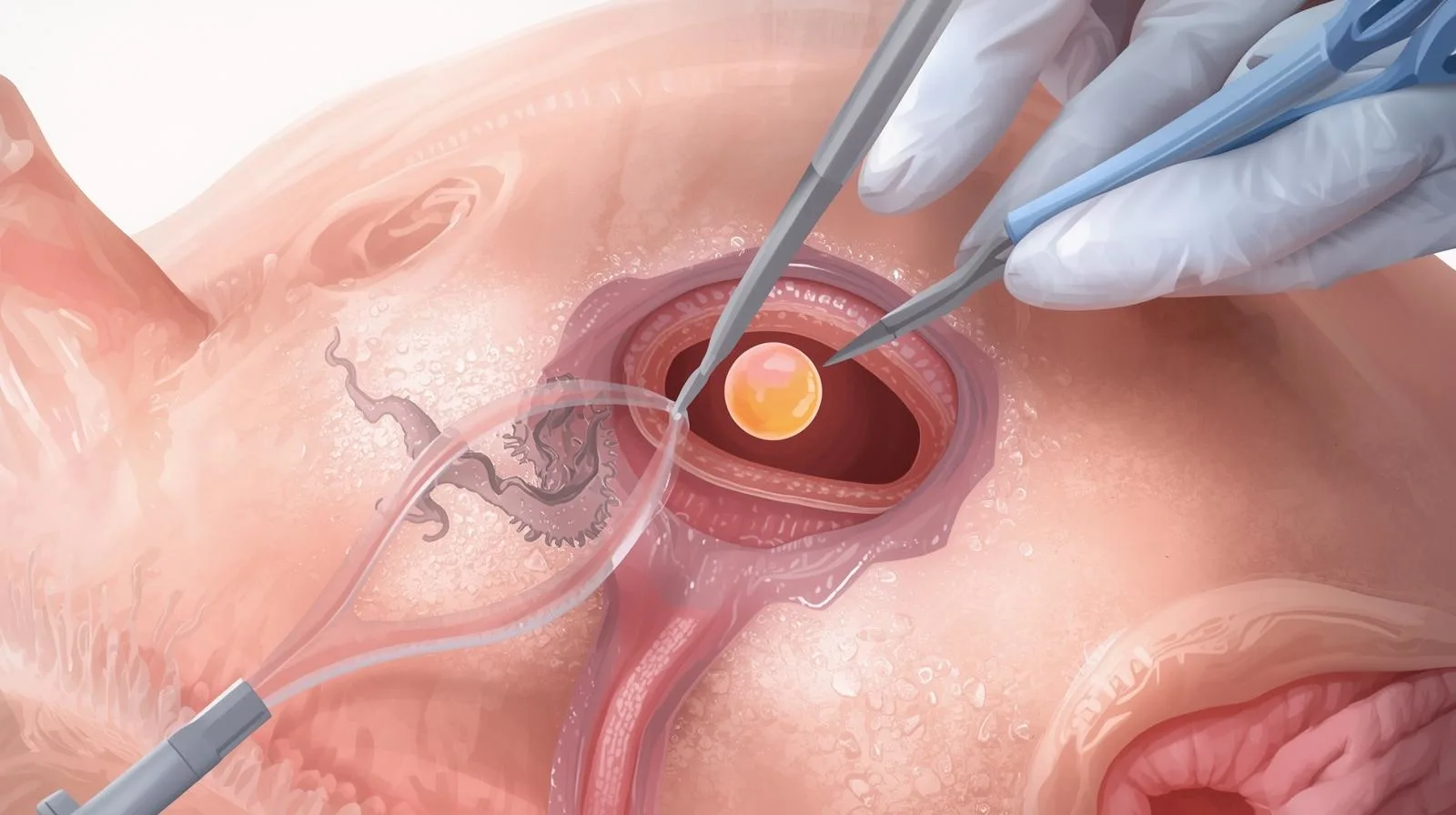
She said that Frozen Embryo Transfer, or FET, is a simple process one of the embryos that had been frozen earlier is gently thawed and then placed into the uterus at the right time. If all goes well, it can grow into a healthy pregnancy.
Aria listened carefully and smiled, “So, it’s like giving my embryo another chance?” Dr. Ananya nodded with a warm smile. “Exactly a second chance and a very good one.”

Frequently Asked Questions
Q1: Why should I go for FET instead of fresh embryo transfer?
FET gives your body more rest after IVF. It helps us prepare your uterus properly and often improves success rates.
Q2: Does age matter for success?
Yes. At 27, you’re at a great age. Younger women usually have better results.
Q3: Is it very expensive?
Not too much. In India, one FET cycle can cost between ₹50,000 and ₹2,00,000, depending on the clinic and medicines used.
The Procedure How FET Happens
Once Aria decided to go ahead, Dr. Ananya explained the process in simple steps.
Step 1: Getting Ready
Blood tests and ultrasound scans were done to check Aria’s hormones and uterus. “We need your body to be in its best shape,” said Dr. Ananya.
Step 2: Preparing the Uterus
Aria started on estrogen and progesterone tablets to make her uterine lining thick and ready for the embryo.
“It’s like preparing a soft bed for the embryo,” said Dr. Ananya with a smile.
Step 3: The Transfer Day
The frozen embryo was carefully thawed and placed inside Aria’s uterus using a small, soft tube. It took just 15 minutes.
“That’s it?” Aria asked, surprised.
“Yes,” Dr. Ananya laughed. “You’ve done makeup sessions longer than this.”
Step 4: The Waiting Period
For the next two weeks, Aria waited. She rested, ate healthy food, avoided stress, and tried not to Google every small symptom.

Frequently Asked Questions
Q1: Does the transfer hurt?
Not really. It feels like a regular check-up. Some women don’t feel anything at all.
Q2: Minimum how many embryos can be transferred at one go?
Usually one, if it’s a good-quality embryo. More than one can increase the chance of twins, which may carry risks.
Q3: What can affect the process?
Hormone imbalance, a thin uterus lining, or a poor-quality embryo can delay or reduce success. But doctors can fix most of these before the transfer.
Cost, Success & Hope
After a few weeks, Aria returned for her final meeting with Dr. Ananya.
“So, Doctor,” she asked, “what are my chances? And how much will it really cost?”
Dr. Ananya smiled. “Let’s make it simple.”
Cost of FET in India
- Basic FET cycle: ₹50,000 – ₹2,00,000
- Extra costs: medicines, embryo freezing/storage, and tests
“It’s like buying a designer dress,” said Dr. Ananya lightly. “You can pick the simple one or go for a few extra details. What matters is quality.”
Success Rates
For women around 27, the success rate is around 50–60% per cycle.
With healthy embryos and a good clinic, it can even be higher.
“Remember,” said Dr. Ananya, “it’s not just about science. It’s also about patience and care. You’re young, healthy, and strong your chances are great.”
Aria smiled. For the first time, she felt calm. “Doctor, I finally feel like I understand my body again.”
“That’s the goal,” said Dr. Ananya.
Frequently Asked Questions
Q1: What if the first FET fails?
Don’t lose hope. Many women succeed in their second or third try. We learn and adjust with every cycle.
Q2: Are there hidden costs?
Ask for a full list. Some clinics charge extra for storage or extra scans, so it’s good to confirm early.
Q3: How do I stay positive?
Don’t overthink. Eat well, rest, talk to friends, and keep your faith. Stress helps no one not even embryos!
Conclusion: Science, Support & a Smile
Months later, Aria returned to Dr. Ananya’s clinic, this time with a bright smile her pregnancy test was positive. Her journey was more than just about becoming a mother; it about understood how science and compassion can work hand in hand. Frozen Embryo Transfer (FET) showed her that with the right guidance, patience, and care, motherhood can be achieved safely and confidently when the time is truly right.
-
Learn more about FET and IVF procedures: Mayo Clinic – Frozen Embryo Transfer
-
Understanding fertility treatments: American Pregnancy Association – IVF & FET
-
Success rates and factors: NIH – Assisted Reproductive Technology
-
General women’s health and fertility tips: Healthline – IVF and Fertility

0 Comments